How Waste Management Protects the Environment
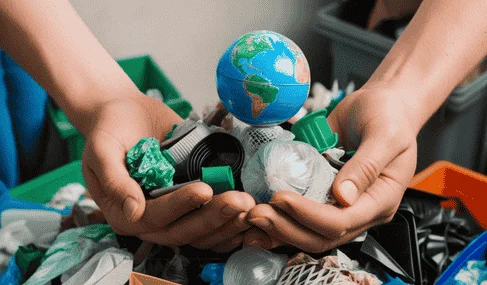
Waste is a part of everyday life. Homes, businesses, and industries produce different types of waste every day. If waste is not handled properly, it can harm the environment, pollute natural resources, and create health risks.
Effective waste management helps reduce these problems. It ensures that rubbish is collected, sorted, recycled, and disposed of in a responsible way. By managing waste correctly, communities can protect the environment and support a cleaner and healthier future.
Reducing Landfill Waste
One of the main goals of waste management is to reduce the amount of rubbish sent to landfills. Landfills can take up large areas of land and may release harmful gases such as methane into the atmosphere.
Proper waste management encourages recycling and reuse, which reduces the amount of waste that ends up in landfills. When materials such as paper, plastic, glass, and metal are recycled, they can be used again to produce new products.
Reducing landfill waste helps conserve natural resources and lowers environmental pollution.
Preventing Pollution
Improper waste disposal can lead to serious pollution problems. When rubbish is dumped illegally or left unmanaged, it can contaminate soil, rivers, and oceans.
For example:
- Plastic waste can harm wildlife and marine life.
- Chemicals and hazardous waste can pollute soil and groundwater.
- Burning waste can release toxic gases into the air.
Responsible waste management ensures that waste is handled safely and disposed of in the correct facilities, reducing pollution risks.
Supporting Recycling Efforts
Recycling is a key part of modern waste management systems. Instead of throwing materials away, recycling allows them to be processed and reused.
Common recyclable materials include:
- Paper and cardboard
- Glass bottles and jars
- Plastic containers
- Metal cans
Recycling reduces the need for raw materials and lowers energy consumption in manufacturing processes. This helps conserve natural resources and reduces environmental impact.
Protecting Wildlife and Natural Habitats
Waste that is not managed properly can harm animals and natural habitats. Wildlife may mistake plastic or other waste for food, which can lead to injury or death.
Proper waste collection and disposal help keep natural environments clean. When rubbish is removed regularly and disposed of responsibly, it reduces the risk of animals coming into contact with harmful materials.
Improving Public Health
Waste management also plays an important role in protecting public health. Accumulated rubbish can attract pests such as rats and insects, which may spread diseases.
Regular rubbish collection and safe waste disposal help maintain cleaner streets, neighbourhoods, and public spaces. This creates a healthier environment for communities.
Encouraging Responsible Waste Habits
Modern waste management systems encourage people to adopt responsible waste habits. This includes:
- Separating recycling from general waste
- Reducing unnecessary packaging
- Reusing items when possible
- Using proper waste disposal services
These small actions can make a big difference in protecting the environment over time.
Conclusion
Waste management is essential for protecting the environment and maintaining clean communities. By reducing landfill waste, preventing pollution, supporting recycling, and promoting responsible disposal, proper waste management helps safeguard natural resources and public health.
When individuals, businesses, and waste removal services work together, they can create a cleaner and more sustainable future for everyone.
We serve all London boroughs, including Banstead, Twickenham, Teddington, Richmond, Putney, Mitcham, New Malden, Surbiton, Sutton, Epsom, Wimbledon, Wandsworth, Croydon, Fulham, Esher, Molesey, Hampton, Chessington, Tolworth, Claygate and London.