White Goods Disposal London – Fridges, Washing Machines, Ovens
Got a broken fridge taking up space in your kitchen? Do you need an old washing machine gone before your new one arrives? You can’t just chuck white goods removal in the bin or leave them on the kerb – and for good reason. These appliances need proper disposal, and getting it wrong can land you with hefty fines.
Here’s everything you need to know about getting rid of fridges, washing machines, ovens, and other large appliances in London, plus what it costs and why proper disposal matters.
Why White Goods Disposal Is Different
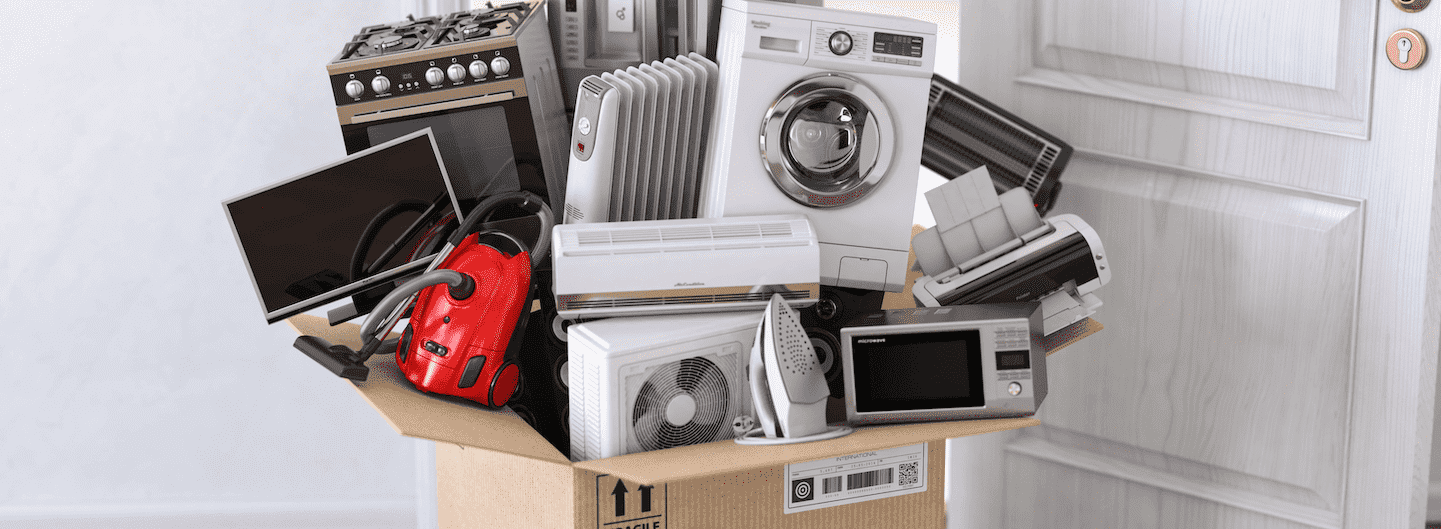
White goods aren’t like regular rubbish. You can’t take them to your local tip and dump them in any old skip. Most large appliances contain materials that need specialist handling:
Fridges and freezers contain refrigerant gases that damage the ozone layer if released into the atmosphere. Trained professionals must extract these gases before the appliance can be recycled. Dumping a fridge illegally can result in a £5,000 fine.
Washing machines and dishwashers contain motors, drums, and electronics that need to be separated for recycling. The metal components are valuable, but the electrical parts need careful handling.
Ovens and cookers often contain gas connections or heavy electrical wiring. Gas ovens, especially, need to be disconnected properly to avoid safety risks.
The bottom line? White goods disposal requires proper licensing, equipment, and expertise. That’s why councils often charge for collection, and why you’ll pay more than regular rubbish removal.
Fridge and Freezer Disposal – Special Handling Required
Fridges are the trickiest appliances to dispose of. Here’s why:
Every fridge and freezer contains refrigerant gases (usually HFCs; older models might use CFCs). UK law requires these gases to be extracted and disposed of properly by someone with the right qualifications. Simply taking a fridge to a scrap yard or dumping it won’t work – legitimate recyclers won’t accept it without proper gas removal.
The disposal process for fridges:
- A qualified technician extracts the refrigerant gases using specialist equipment
- The appliance is dismantled and materials separated (metal, plastic, insulation)
- Components go to the appropriate recycling streams
- Hazardous materials are disposed of at licensed facilities
When you book fridge disposal with a licensed waste carrier, this process is handled for you. The cost covers the specialist work involved.
Can I dispose of my own fridge?
Technically, yes, but it’s not worth the hassle. You’d need to find a Household Waste Recycling Centre that accepts fridges (many require booking), transport it yourself (not easy when fridges weigh 60-80kg), and some centres charge anyway. Plus, if you damage the fridge in transit and release the gases, you’re breaking environmental laws.
Most people find it easier and often cheaper to have a licensed company collect it.
Washing Machines, Dishwashers, and Other Appliances
These appliances are easier to handle than fridges, but still need proper disposal:
Washing machines typically weigh 60-80kg and contain drums, motors, bearings, and circuit boards. The metal components (drum, frame) are highly recyclable. When collected properly, up to 90% of a washing machine can be recycled.
Dishwashers are similar but lighter (around 40-50kg). They contain pumps, heating elements, and control panels that all need to be separated.
Tumble dryers have lint that’s often contaminated with microplastics, plus heating elements and motors that need specialist recycling.
Ovens and cookers contain a lot of metal (easily recycled), glass doors, and electrical components. Gas cookers must be disconnected safely before removal. Never attempt to disconnect a gas appliance yourself – always use a Gas Safe registered engineer.
The good news? These appliances don’t need the specialist gas extraction that fridges do, which makes disposal simpler and often cheaper.
What Does White Goods Disposal Cost in London?
Prices vary depending on the appliance and whether you need same-day service, but here’s what you can typically expect:
Fridge or freezer disposal: £40-60 per unit
Costs more because of the specialist gas extraction required.
Washing machine removal: £30-45 per unit
Lighter work involved, no hazardous gases.
Dishwasher collection: £25-40 per unit
Smaller and easier to handle than washing machines.
Oven or cooker removal: £35-50 per unit
Price increases if it’s a large-range cooker or requires disconnection.
Tumble dryer disposal: £30-45 per unit
Similar to washing machines.
Multiple appliances: Most companies offer discounts if you’re getting rid of several items at once. For example, fridge + washing machine + oven might cost £100-130 total rather than £115-155 separately.
Same-day or emergency collection usually adds £20-30 to the standard price. Worth it if your new appliance is being delivered and the old one needs to be shifted fast.
Council collection costs: Many London councils charge for bulky waste collection, typically £20-40 per item. However, you’ll usually wait 1-2 weeks for collection, and you have to move the appliance outside yourself.
Private companies cost a bit more but offer the same-day or next-day service, collect from inside your property, and handle all the lifting.
How White Goods Collection Works
The process is straightforward when you use a licensed waste carrier:
1. Book collection
Call or book online. You’ll need to specify which appliances you’re getting rid of and where they’re located (ground floor, upstairs, basement). This helps with pricing and logistics.
2. Choose your time slot
Most companies offer morning or afternoon slots. Some offer same-day collection if you book before 10 am.
3. No preparation needed
You don’t need to disconnect anything (though for gas cookers, you should get a Gas Safe disconnection first if you haven’t already). Just make sure the collection team can access the appliance safely.
4. Collection team arrives
Usually a two-person team. They’ll load the appliances onto their van, protecting your walls and floors in the process. Takes 10-20 minutes, depending on access.
5. Payment
Most companies take payment after collection, either by card or cash.
6. Proper disposal
The appliances are sent to a licensed treatment facility, where the fridges have the gases extracted, and everything is recycled in accordance with WEEE regulations (Waste Electrical and Electronic Equipment).
You should receive a waste transfer note if requested – this proves your appliances were disposed of legally.
Legal Requirements for White Goods Disposal
UK law is strict about how electrical appliances must be disposed of:
WEEE Regulations require that all electrical items be recycled properly. White goods fall under this, and businesses (including waste carriers) must be registered to handle WEEE waste.
Refrigerant regulations make it illegal to release fridge gases into the atmosphere. Only F-Gas certified technicians can remove refrigerants. If you dump a fridge illegally, you’re liable for fines up to £5,000.
Waste carrier licensing means anyone collecting your appliances must hold a valid Environment Agency waste carrier license. If you use an unlicensed operator and they fly-tip your fridge, you can be fined £400-50,000 as the waste producer.
Always check that your collection company:
- Holds an Environment Agency waste carrier license
- Is registered as a WEEE collector
- Can provide waste transfer notes
- Has proper insurance
Why Proper Disposal Matters
Beyond legal compliance, proper white goods disposal has real environmental benefits:
Fridges and freezers: Every fridge contains enough refrigerant gas to produce 1.5 tonnes of CO2 equivalent if released. Proper extraction and disposal prevent this greenhouse gas from entering the atmosphere.
Recycling rates: Up to 95% of a washing machine can be recycled. The steel drum alone can be melted down and reused in new appliances or construction materials.
Valuable materials: White goods contain copper wiring, aluminium, steel, and other metals worth recovering. Proper recycling keeps these materials in use rather than mining new ones.
Electronic components: Circuit boards contain small amounts of precious metals (gold, silver, copper) that can be recovered and reused.
When you use a licensed waste carrier, you ensure these materials are recycled rather than ending up in a landfill or, worse, being dumped illegally.
Get Your Appliances Removed Safely Today
Need to get rid of a fridge, washing machine, or other large appliance in London? We collect white goods across all London boroughs, with same-day service available.
We’re fully licensed waste carriers, registered for WEEE disposal, and handle all appliances in accordance with UK regulations. Fridges have gases extracted by certified technicians, and everything gets recycled properly.
Call us on 0208 935 5117 for an immediate quote and collection booking.
No heavy lifting, no trips to the dump, no worrying about legal disposal. We handle everything from inside your property to a proper recycling facility. Most collections are completed within 24 hours.
We serve all London boroughs, including Banstead, Twickenham, Teddington, Richmond, Putney, Mitcham, New Malden, Surbiton, Sutton, Epsom, Wimbledon, Wandsworth, Croydon, Fulham, and London. Licensed, insured, and fully compliant with all waste disposal regulations.